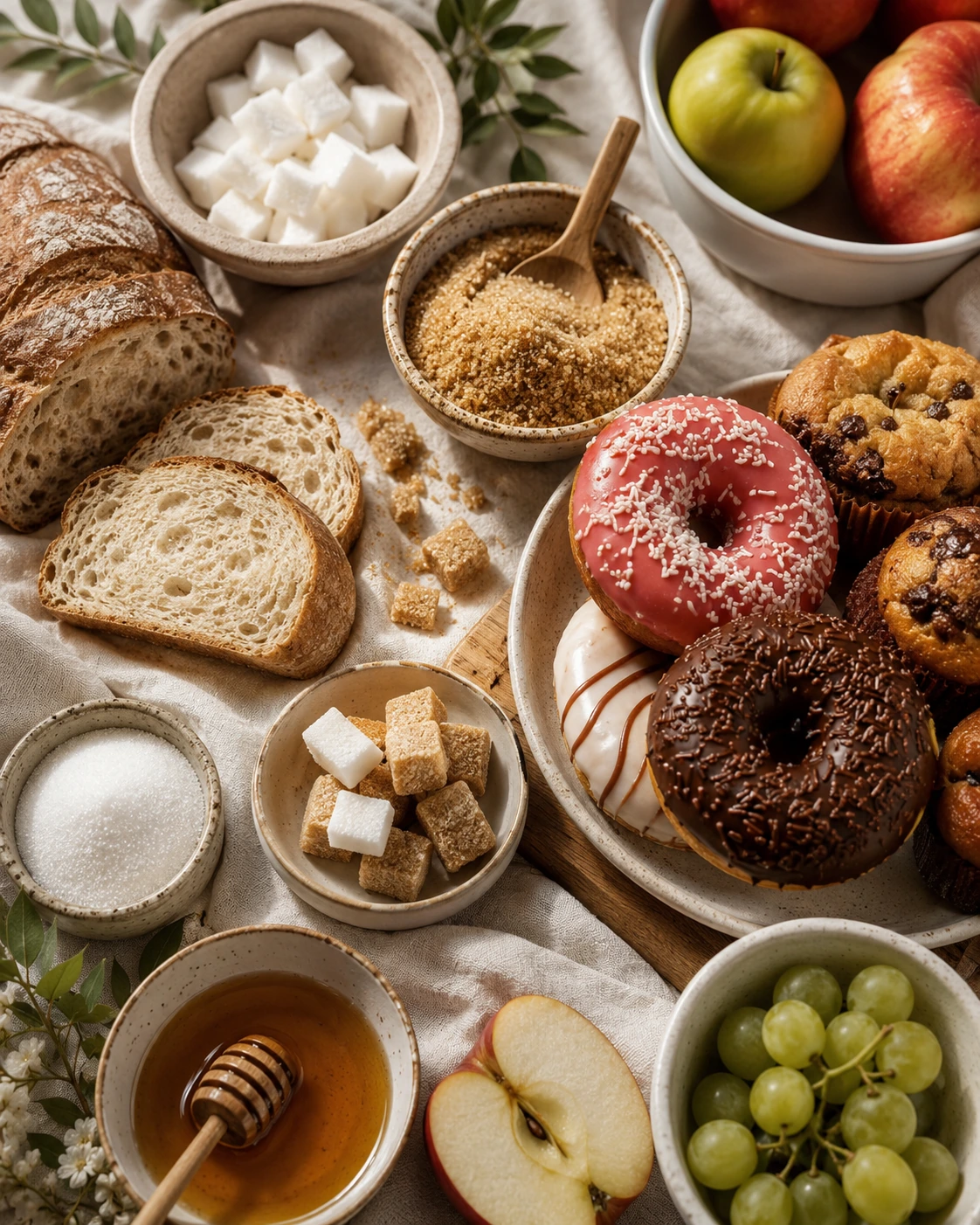
Most women I work with have made peace with their sugar cravings. They call them a treat, a reward, a small comfort at the end of a hard day. And I understand that completely. But when the craving is daily, persistent, or feels almost urgent, that is no longer a preference. That is a signal. And signals deserve to be read, not just satisfied.
Your craving is not just in your head
Research published in Nature confirmed what many practitioners have observed for years: sugar cravings are not simply a matter of willpower or taste. When glucose enters the gut, it activates a dedicated pathway through the vagus nerve — the same nerve that connects the gut to the brain — reinforcing the desire for more sugar at a neurological level, completely below the level of conscious thought.
A separate cell metabolism study found that sugar and fat each activate distinct circuits in the gut-brain reward system, triggering dopamine release in the brain’s reward centre. The gut is not passively receiving food. It is actively shaping what you crave next.
Your craving is not a character flaw. It may be a signal coming from the gut, the nervous system, the microbiome, and your internal chemistry. The question is what that signal is pointing to.
The common causes worth addressing first
Before looking deeper, it is worth ruling out the simpler explanations. Many persistent sugar cravings resolve once these foundations are addressed.
- Blood sugar imbalance. Skipping meals, eating too little protein, or relying on refined carbohydrates creates sharp rises and falls in blood glucose. The crash triggers an urgent craving for quick energy — usually sugar.
- Chronic stress. Elevated cortisol disrupts blood sugar regulation and drives the body toward fast fuel. The afternoon craving after a stressful morning is rarely about hunger.
- Mineral depletion. Cravings for sweet foods can reflect low chromium, magnesium, or zinc — all minerals involved in glucose metabolism and insulin sensitivity.
- Poor sleep. Even one night of disrupted sleep measurably increases cravings for high-sugar, high-fat foods the following day.
- Habit and reward loops. The gut-brain reward circuit reinforces repeated behaviour. If sugar has been the consistent response to stress, tiredness, or boredom, the body learns to request it automatically.
You cannot shame a craving into silence. But you can change the internal environment that is generating it.
When the craving points to something deeper
If you have addressed sleep, stress, protein intake, and blood sugar – and the cravings persist – it may be worth considering the internal terrain of the gut itself.
Yeast overgrowth and Candida
Candida albicans is a naturally occurring yeast in the gut. When the microbiome is out of balance, it can overgrow. Candida feeds on sugar and simple carbohydrates, and some practitioners observe that this overgrowth appears to intensify cravings for exactly the foods that support its growth. While the direct causal mechanism is still being studied, supporting the gut microbiome and reducing sugar intake consistently forms part of any gut-rebalancing approach.
Intestinal parasites
This is a topic many people find uncomfortable, but it is worth addressing clearly and without alarm. Intestinal parasites are organisms that live within a host and obtain nourishment from the host’s body. Digestive symptoms such as bloating, gas, abdominal discomfort, nausea, fatigue, and appetite changes are among possible effects depending on the organism involved.
Importantly, not every parasitic presence causes dramatic symptoms. Some people carry intestinal parasites with mild or no symptoms at all — which is part of why gut health, food quality, and periodic cleansing support are worth considering as part of a long-term wellness approach, rather than waiting for a crisis.
If something is living from your resources, your job is not to feed it. Your job is to change the internal environment.
What a cleansing approach actually involves
A genuine gut cleanse is not a three-day juice fast. It is a structured, supportive process that addresses the inner terrain while rebuilding what has been depleted.
- Remove the fuel. A sugar-free, yeast-free diet is the foundation. You cannot cleanse while continuing to feed the same imbalances.
- Support the elimination pathways. The liver, bowel, and lymphatic system all need to be working well for a cleanse to be effective rather than overwhelming.
- Use targeted cleansing support. Specific botanicals and supplements have a long history of use in supporting gut health and reducing unwanted organisms. These include black walnut, burdock root, pau d’arco, and MSM.
- Rebuild the microbiome. Cleansing without restoring gut flora leaves the terrain vulnerable. Probiotic support and digestive enzymes help the gut re-establish a healthy balance.
- Mineralise and hydrate throughout. The body needs clean, mineral-rich water during any cleansing process to support elimination and cellular repair.
Coral Club’s ParaShield Plus programme is a structured two-month protocol designed around exactly this approach — combining parasite cleansing support with microbiome restoration and mineralisation. It includes eight complementary products used in sequence, rather than a single supplement taken in isolation.
The emotional side of cravings
I want to say one more thing before the FAQ, because it matters. Cravings are not only physical. Grief, loneliness, emotional exhaustion, and the habit of reaching for sweetness when life feels hard — these are real, and they deserve to be acknowledged, not just corrected with a supplement.
A cleanse works best when the emotional layers are also being gently attended to. Not analysed to death, but noticed. Treated with the same care you are giving your gut.
The body is not trying to sabotage you. It is trying to survive with the resources it has. Give it better ones.
Frequently Asked Questions
Can sugar cravings really be caused by parasites or yeast?
It is one possible contributing factor, not a guaranteed cause. Persistent cravings that do not respond to dietary changes, better sleep, and stress support are worth investigating more thoroughly. A holistic consultation can help identify whether gut imbalance, yeast overgrowth, or other factors may be involved.
Is a parasite cleanse safe to do at home?
A gentle, food-based and supplement-supported cleanse can be appropriate for many people when done correctly. However, if you have existing health conditions, are on medication, or have significant digestive symptoms, please seek professional guidance before beginning any cleansing programme.
How long does it take to reduce sugar cravings naturally?
Most people notice a meaningful shift within two to four weeks of removing sugar, supporting blood sugar stability with protein and healthy fats, and beginning to address the gut. The first week is often the hardest. After that, the urgency of the craving typically begins to reduce.