Type 2 diabetes and its precursor, prediabetes, represent one of the most significant health challenges of our time. Unlike type 1 diabetes, which involves the destruction of the insulin-producing cells of the pancreas, type 2 diabetes develops through a gradual process in which the body’s cells lose their sensitivity to insulin, the hormone that unlocks cells to receive glucose from the bloodstream. The pancreas compensates by producing ever greater quantities of insulin, but over time it cannot keep pace with the demand, and blood glucose levels rise to levels that cause progressive damage throughout the body.
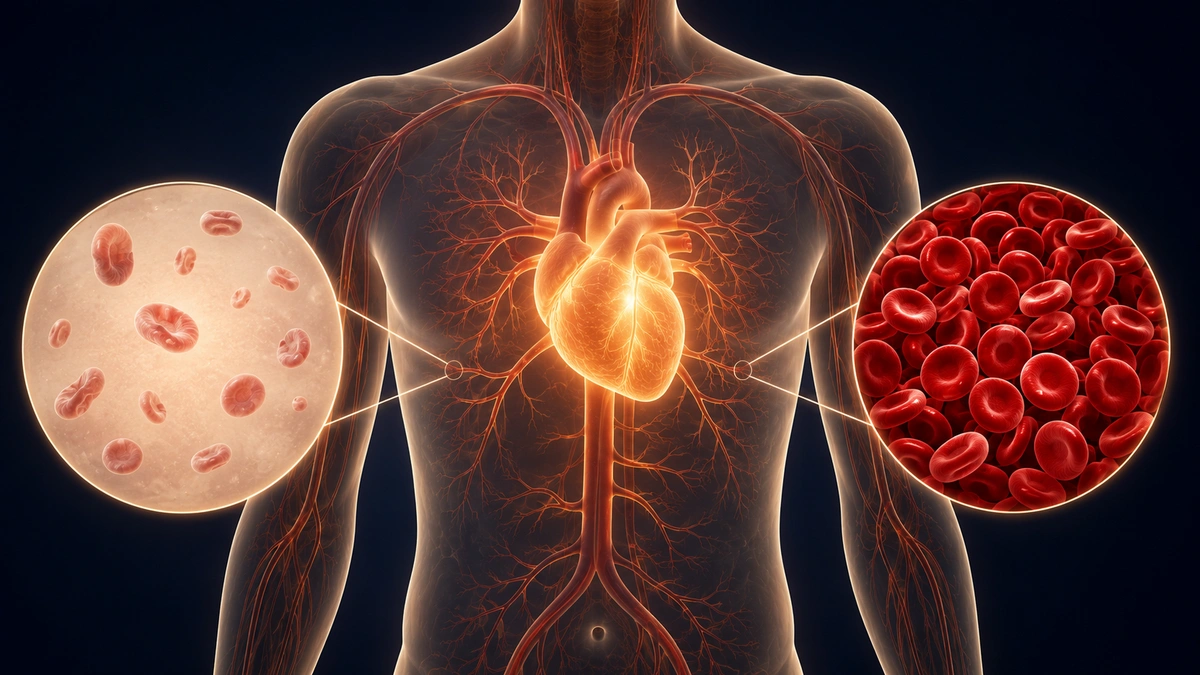
The consequences of poorly managed type 2 diabetes extend far beyond blood sugar. The sustained elevation of glucose damages blood vessels, nerves, kidneys, eyes, and the immune system in ways that accumulate silently over years before becoming clinically apparent. Diabetic neuropathy causes numbness and pain in the extremities. Diabetic retinopathy threatens vision. Diabetic nephropathy progressively impairs kidney function. The cardiovascular risk associated with diabetes is two to four times higher than in the general population. The fatigue, impaired wound healing, and susceptibility to infection that accompany poorly controlled blood glucose affect quality of life profoundly.
The causes of insulin resistance are well understood and predominantly lifestyle-driven: a diet dominated by refined carbohydrates and sugar, excess body weight particularly around the abdomen, physical inactivity, chronic stress, and deficiencies of the specific minerals and vitamins that insulin signalling depends on. This means that the condition is highly responsive to nutritional and lifestyle intervention, particularly in its earlier stages.
Before going further, I want to be direct: type 2 diabetes requires medical management. If you are on prescribed diabetes medication including metformin, insulin, or any other glucose-lowering drug, please continue taking it exactly as directed and discuss this programme with your GP or diabetes nurse before starting. Do not adjust your medication without medical guidance. This programme is complementary nutritional support for the metabolic processes underlying type 2 diabetes, not a treatment or replacement for your medical care. Please monitor your blood glucose regularly throughout and share any changes with your healthcare team.
This programme runs across three sequential stages over six months or more, followed by periodic deep cleansing support every six months.
Stage 1
Preparation, Cleansing, and Digestive Optimisation
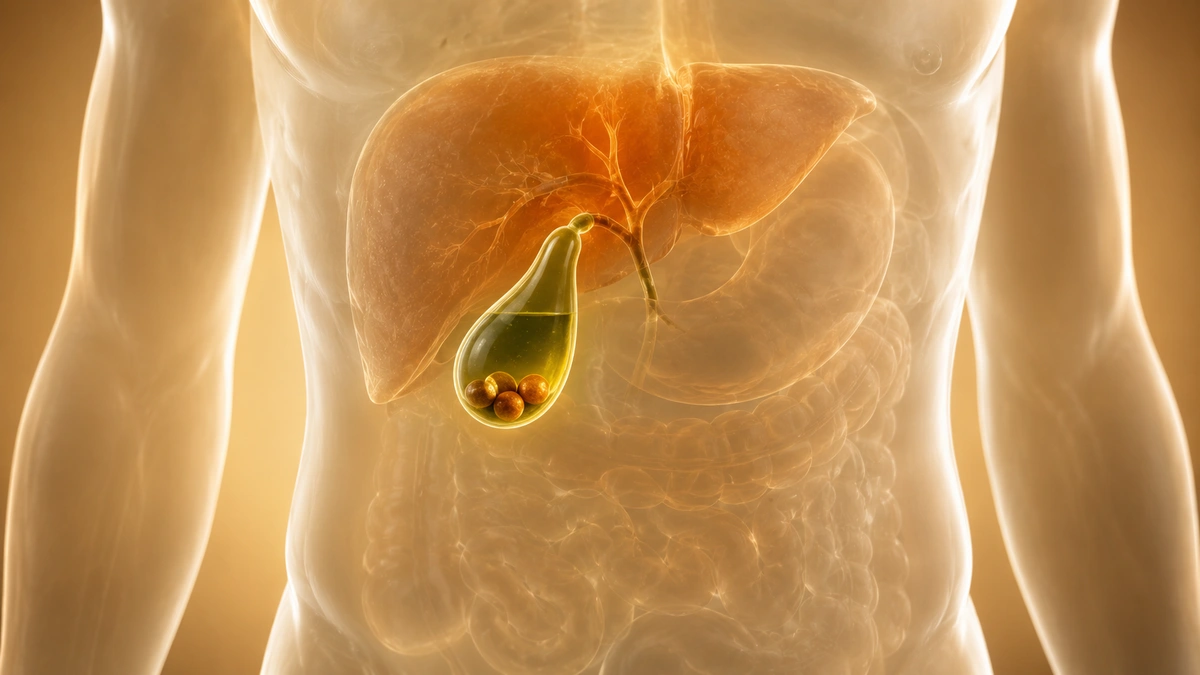
This stage runs for one to two months. Before addressing the metabolic correction at the heart of the programme, the digestive system, liver, and intestinal environment need to be functioning optimally. Incomplete digestion increases the glucose spike from meals. A congested liver impairs glucose metabolism and detoxification. And a disrupted gut microbiome generates the systemic inflammation that worsens insulin resistance. This stage addresses all three simultaneously.
Daily Delicious Hi-Fiber Acai and Blueberry is the most directly relevant supplement for managing post-meal blood glucose responses. Its soluble fibre slows the absorption of glucose from the small intestine, reducing the speed and height of post-meal glucose spikes. Inulin feeds the beneficial gut bacteria whose short-chain fatty acid production improves insulin sensitivity in the colon and liver. L-glutamine supports the integrity of the gut wall, reducing the intestinal permeability that drives the systemic inflammation underlying insulin resistance. Dissolve one level measuring scoop in a glass of water or unsweetened juice, stir well, and drink immediately. Follow with a second glass of water. Take thirty to sixty minutes before breakfast or dinner.
Assimilator provides a comprehensive digestive enzyme complex that reduces the burden on the pancreas, which is already under significant strain in type 2 diabetes from its sustained effort to produce adequate insulin. By improving the thoroughness of carbohydrate, fat, and protein digestion, Assimilator reduces the undigested material that reaches the large intestine, where it would otherwise cause fermentation, inflammation, and additional glucose instability. Take one capsule during each main meal.
FanDetox provides targeted liver support through its Korean botanical formula combining persimmon, goji berry, citrus peel, buckwheat, and soy sprouts. The liver plays a central role in glucose homeostasis: it stores glucose as glycogen, releases it between meals, and is the primary site of insulin-mediated glucose disposal. When the liver is congested or its function impaired, glucose regulation becomes significantly harder. FanDetox supports liver detoxification, protects liver cells, and improves bile flow, creating the hepatic conditions that make Stage 2 metabolic correction more effective. Take one pack twice daily with food or prepared as a warm tea.
Stage 2
Basic Metabolic Correction and Replenishing Key Deficits
This stage runs for two to three months and directly addresses the specific mineral and nutritional deficiencies that impair insulin signalling, and the systemic conditions that worsen insulin resistance. The four core supplements in this stage form the metabolic foundation of the programme.
Zinc is a structural component of the insulin molecule itself and is required for the correct binding of insulin to its cellular receptors. The beta cells of the pancreas have the highest zinc concentration of any cell in the body because they need it to synthesise, store, and secrete insulin. Zinc deficiency, which is very common in type 2 diabetes due to increased urinary zinc excretion, directly impairs insulin synthesis and action, creating a cycle that progressively worsens glycaemic control. Take one tablet daily with food.
Tasty B (B-Complex) provides the complete B-vitamin family as essential cofactors in carbohydrate metabolism. B vitamins are required at multiple steps in the glycolytic pathway through which glucose is converted to cellular energy, and their deficiency impairs this process, contributing to the fatigue and cellular energy deficit of diabetes. Vitamins B1, B6, and B12 are particularly important for the prevention and management of diabetic neuropathy, protecting the myelin sheaths of peripheral nerves from the damage caused by sustained glucose elevation. Take one to two tablets daily with food.
Omega-3 TG provides EPA and DHA omega-3 fatty acids that improve the lipid profile by lowering triglycerides and raising HDL cholesterol, both of which are consistently dysregulated in type 2 diabetes. They improve the sensitivity of insulin receptors by incorporating into cell membrane phospholipids, enhancing membrane fluidity and receptor function. They reduce the systemic inflammation that directly worsens insulin resistance, and provide cardiovascular protection that is particularly important given the elevated cardiac risk of diabetes. Take one capsule daily with food.
Coral-Mine normalises the internal pH balance that metabolic disorders consistently shift toward acidity. Metabolic acidosis worsens insulin resistance and amplifies oxidative stress throughout the body. The alkalising, mineralising effect of Coral-Mine water helps to correct this shift, and the magnesium and potassium in every sachet support the electrolyte balance of the cellular environment in which insulin signalling operates. Drop one sachet into 1.5 litres of water and sip throughout the day between meals.
Stage 3
Deep Antioxidant Protection and Vascular Support
This stage runs for three months or more and addresses the oxidative stress, vascular damage, and cellular energy impairment that are the primary mechanisms through which sustained hyperglycaemia causes the long-term complications of diabetes.
Coenzyme Q10 supports mitochondrial energy production in the cells most affected by diabetic oxidative stress: the cardiac muscle, neurons, kidney cells, and vascular endothelium. CoQ10 levels are consistently reduced in people with type 2 diabetes, contributing to the fatigue and impaired cellular function that accompanies the condition. Research suggests that CoQ10 supplementation may contribute to improvements in glycaemic markers and provides direct cardiovascular protection. Take one capsule daily with food.
PentoKan provides potassium alongside vitamin C and D-ribose. Potassium strengthens capillary and large vessel walls, improving microcirculation and supporting the prevention of the vascular complications that are the most serious long-term consequences of diabetes. D-ribose supports the cellular energy restoration that is impaired in diabetic tissue. Dissolve one effervescent tablet in a glass of water twice daily.
H-500 provides deep cellular antioxidant protection at the mitochondrial level, neutralising the free radicals generated in large quantities by the elevated blood glucose of diabetes. Oxidative stress is the primary mechanism through which hyperglycaemia damages nerves, blood vessels, kidneys, and eyes, and H-500 provides meaningful protection against this cascade. Take one capsule twice daily before food.
Calci-Prime provides magnesium in its most bioavailable forms alongside calcium and vitamin D3. Magnesium is essential for the function of insulin receptors: every insulin receptor activation step requires magnesium as a cofactor, and magnesium deficiency is one of the most consistent findings in type 2 diabetes, directly worsening insulin resistance. Vitamin D3 modulates insulin secretion and sensitivity and is consistently depleted in people with metabolic disorders in the UK. Start with one tablet before sleep, increasing gradually to two tablets as directed.
Additional Support
Premium Spirulina provides a broad spectrum of nutrients from ecologically pure spirulina algae including complete protein, B vitamins, iron, and chlorophyll, supporting the nutritional density that chronic metabolic disease depletes. Take two tablets twice daily.
Garlic Extract improves blood rheology and reduces the risk of vascular inflammation that is elevated in type 2 diabetes, directly supporting cardiovascular protection. Take one capsule once or twice daily with food.
Pure-C provides vitamin C that strengthens vascular walls and protects the fine capillaries most vulnerable to diabetic microvascular damage. Take one tablet once or twice daily.
Periodic Deep Cleansing Every Six Months
The source programme recommends alternating periodic cleansing programmes every six months to reduce the accumulated metabolic burden on the digestive system, liver, and gut microbiome. Colo-Vada Plus, the Healthy Gut set, and NutriPack are each recommended in rotation as periodic six-monthly interventions. Follow the instructions included with each programme or set.
Dietary and Lifestyle Recommendations
Nutrition is the most powerful tool available for managing type 2 diabetes, and it cannot be replaced by supplementation. Eliminate refined sugar, sugary drinks, white bread, white rice, and processed foods from your daily diet as completely as possible. Build every meal around non-starchy vegetables, quality protein, and healthy fats, adding low-glycaemic carbohydrates in modest amounts. Eat regular, evenly spaced meals rather than skipping meals and overeating later. Exercise after meals, as even a ten-minute walk significantly improves post-meal glucose disposal. Lose excess weight where possible: a ten percent reduction in body weight produces significant and sustained improvements in insulin sensitivity. Manage stress actively, as cortisol directly raises blood glucose and worsens insulin resistance.
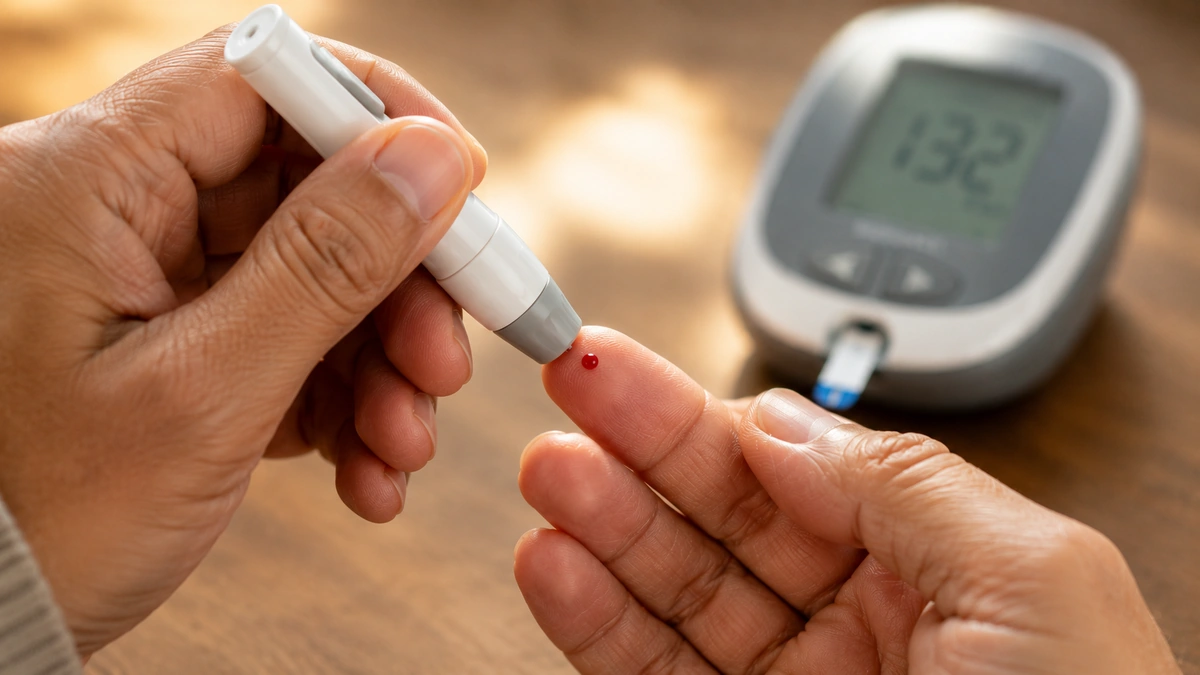
Monitor your blood glucose consistently throughout this programme and discuss any changes with your GP or diabetes nurse. If you are on glucose-lowering medication, do not adjust doses without medical guidance. If you would like to discuss this programme in the context of your specific situation, please reach out through the contact page.
Frequently Asked Questions
How is this programme different from the Diabetes Health Support Programme on this site?
The Diabetes Health Support Programme is a shorter six-product introduction to nutritional diabetes support. This programme is significantly more comprehensive, running across three stages over six months or more, with fourteen products addressing preparation, metabolic correction, antioxidant protection, and vascular support in a structured sequence. If you are new to nutritional support for diabetes, the Diabetes Health Support Programme is a practical starting point. This programme is the fuller, longer-term approach for those ready to make a sustained commitment.
Why register with Coral Club rather than buying at full price?
Anyone can purchase Coral Club products at full price without registering, so there is no pressure to do so. However, registering as a member through my link gives you a permanent 20% discount on all orders. Registration is completely free, there is no subscription, and the discount never expires. Your first order simply needs to be placed within 30 days of registering to activate membership. You can register here: https://coral.club/7695779.html
How long before I notice any improvement?
Most people notice improvements in energy levels, digestive comfort, and the general sense of metabolic stability within three to four weeks of Stage 1. Changes in blood glucose markers take longer and are best tracked through your regular blood tests with your GP or diabetes nurse. Any nutritional programme for diabetes works most effectively alongside dietary changes and regular physical movement, and the combination of all three tends to produce the most meaningful and sustained improvements in glycaemic markers over time.
Can I take this programme alongside metformin or insulin?
Please discuss every supplement in this programme with your GP or prescribing doctor before starting. Some supplements, including magnesium, chromium-containing compounds, and alpha-lipoic acid, can influence glucose metabolism and may theoretically interact with certain diabetes medications. Your doctor needs the full picture and may also want to adjust the frequency of your blood glucose monitoring while you are following the programme.
I have been told I am prediabetic. Is this programme relevant for me?
This programme is particularly well suited to prediabetes, where the metabolic changes driving insulin resistance are present but blood glucose has not yet reached the diagnostic threshold for diabetes. The earlier nutritional support begins, the more effectively it can address the underlying insulin sensitivity and metabolic deficits before further progression occurs. The Stage 1 and Stage 2 products are especially relevant at the prediabetes stage. Please continue with your GP’s monitoring and discuss this programme with them before starting.