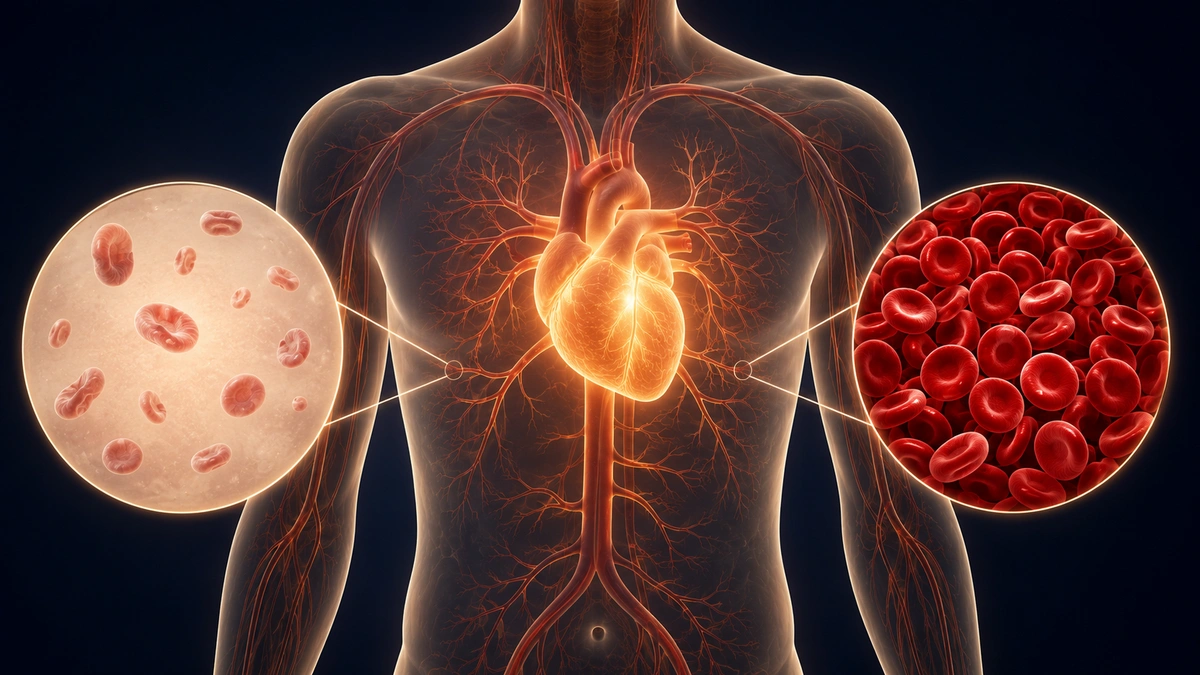
Anaemia is one of the most common nutritional conditions worldwide and one of the most underdiagnosed. It develops when the number of red blood cells in the bloodstream falls below what the body needs to deliver adequate oxygen to its tissues. Red blood cells carry haemoglobin, the iron-containing protein that binds oxygen in the lungs and releases it to every cell in the body. When haemoglobin levels fall, the body’s cells receive less oxygen than they need to produce energy, and the consequences manifest throughout the body rather than in a single location.
The most recognisable symptoms of anaemia include persistent fatigue and weakness that sleep does not resolve, pallor of the skin, inner eyelids, and nail beds, breathlessness during exertion that previously caused no difficulty, a rapid or irregular heartbeat, dizziness and difficulty concentrating, cold hands and feet, headaches, and in iron-deficiency anaemia specifically, brittle nails, hair thinning, and unusual cravings for non-food substances such as ice, chalk, or dirt.
The most common cause is iron deficiency, which prevents the body from producing sufficient haemoglobin. Deficiency of vitamin B12 or folic acid is the next most common cause, producing megaloblastic anaemia in which red blood cells are large and dysfunctional rather than the normal biconcave disc shape. Blood loss, chronic disease, bone marrow disorders, and certain inherited conditions can also cause anaemia through different mechanisms.
Please consult your GP and have a blood test before beginning this programme. Identifying the specific cause and type of anaemia is essential, as iron supplementation is not appropriate for all forms of anaemia and can cause harm if taken without confirmed deficiency. If iron-deficiency anaemia has been confirmed by blood test, this programme provides a focused nutritional approach to replenishment and recovery. The programme runs for one to three months depending on the severity of the deficiency.
The Programme Supplements
The six products in this programme work together to address the iron, B-vitamin, and omega-3 requirements of anaemia recovery. They are all taken simultaneously from the start of the programme.
Iron provides iron in chelated bisglycinate form, which is significantly better absorbed than inorganic iron salts such as ferrous sulphate and is considerably gentler on the stomach lining and digestive tract. Iron is the essential raw material for haemoglobin synthesis and the primary intervention in confirmed iron-deficiency anaemia. It is directly involved in tissue respiration and immune function, and even mild deficiency causes measurable reductions in cognitive performance and exercise capacity before haemoglobin falls to the clinical anaemia threshold. Take one capsule once daily with food. Never exceed the recommended dose, and do not take iron supplements without a confirmed deficiency from a blood test.
Tasty B (Vitamin B Group) provides the complete B-vitamin family, of which B12 and B6 are most directly relevant to blood formation. Vitamin B12 is essential for the normal division of red blood cell precursors in the bone marrow, and its deficiency produces the enlarged, dysfunctional red blood cells of megaloblastic anaemia. Vitamin B6 participates directly in haemoglobin synthesis alongside iron. The full B-complex also supports the nervous system, which can be affected by prolonged B12 deficiency, and provides the energy metabolism cofactors that a body under anaemic strain needs. Take one tablet daily.
Prenatal+ (Folic Acid) is included in this programme specifically for its folic acid content. Each Prenatal+ capsule provides 400 micrograms of folic acid, the form of vitamin B9 that is essential for normal DNA synthesis in the red blood cell precursors produced in the bone marrow. Without adequate folic acid, these cells cannot complete their normal division cycle, producing the characteristic large, immature red blood cells of folate-deficiency anaemia. Folic acid also works in close partnership with vitamin B12, and ensuring both are adequate together produces more complete support than either alone. Take one capsule daily with food.
Premium Spirulina provides iron in an organic, plant-based form alongside a complete amino acid profile, B vitamins, and chlorophyll. Chlorophyll is structurally similar to haemoglobin and gently supports the blood-forming process. The protein in spirulina provides the amino acid building blocks for haemoglobin synthesis, and its broad nutritional spectrum addresses the multiple micronutrient deficiencies that often accompany anaemia when it develops against a background of poor diet or impaired absorption. Take two tablets twice daily with food.
Coral-Mine provides the mineralised, alkaline hydration foundation that supports iron absorption and the overall function of the haematopoietic system. Magnesium, which Coral-Mine provides with every litre consumed, supports the cellular processes of red blood cell production and helps to create the slightly alkaline intestinal environment in which non-haem iron is most readily absorbed from food and supplements. Consistent quality hydration also supports the kidneys and lymphatic system in clearing the waste products of accelerated red blood cell production during recovery. Drop one sachet into 1.5 litres of clean still water and sip throughout the day between meals.
Omega-3 TG provides EPA and DHA omega-3 fatty acids in triglyceride form for optimal absorption. Omega-3 fatty acids improve the fluidity of red blood cell membranes, making the newly produced cells more deformable and better able to pass through the fine capillaries where oxygen delivery is most critical. They also support the cardiovascular function that has been under increased strain during the anaemic period, as the heart compensates for reduced oxygen delivery by beating faster. Take one capsule daily with food.
Dietary Recommendations
Include iron-rich foods consistently throughout the programme: red meat, liver, sardines, eggs, spinach, lentils, chickpeas, tofu, and pumpkin seeds. Pair plant-source iron with a source of vitamin C at the same meal, as vitamin C substantially enhances the absorption of non-haem iron from plant foods. Avoid tea, coffee, and calcium-rich foods at the same time as iron-containing meals, as these all reduce iron absorption significantly. Include foods rich in folate: leafy green vegetables, citrus fruits, beans, and lentils. Ensure adequate vitamin B12 from animal foods, including meat, fish, eggs, and dairy. If you are vegetarian or vegan, B12 supplementation beyond what Tasty B provides may be needed and worth discussing with your GP.
Monitor your blood test results regularly throughout the recovery period. Your GP will want to track haemoglobin and ferritin levels to assess your progress and to confirm when iron stores are fully restored. Do not discontinue prescribed iron or B12 medication without medical guidance. If you would like to discuss whether this programme is appropriate for your situation, please reach out through the contact page.
Frequently Asked Questions
How is this programme different from the Anaemia Recovery Programme on this site?
The Anaemia Recovery Programme is a more comprehensive ten-product, three-stage programme covering gut preparation, direct replenishment, and cellular recovery in depth. This programme is a simpler and more accessible six-product approach focused directly on the key nutrients for haemoglobin production: iron, B vitamins, folic acid, and spirulina. The addition of Prenatal+ specifically for its folic acid content is a key feature of this programme that is not in the three-stage version. If you are new to nutritional anaemia support or prefer a straightforward starting point, this programme is the more accessible option.
Why register with Coral Club rather than buying at full price?
Anyone can purchase Coral Club products at full price without registering, so there is no pressure to do so. However, registering as a member through my link gives you a permanent 20% discount on all orders. Registration is completely free, there is no subscription, and the discount never expires. Your first order simply needs to be placed within 30 days of registering to activate membership. You can register here: https://coral.club/7695779.html
How long before I notice an improvement in my energy levels?
Most people notice a meaningful improvement in energy, reduced breathlessness, and better concentration within four to six weeks of consistent supplementation when iron deficiency is the confirmed cause. The duration of the programme is one to three months depending on the degree of anaemia, as noted in the source programme recommendations. Full restoration of haemoglobin and ferritin to healthy levels takes longer when deficiency has been significant, and regular blood tests with your GP are the most reliable way to track progress.
Can I take this programme alongside prescribed iron tablets from my GP?
Please discuss this with your GP before adding supplemental iron if you are already on prescribed iron medication. Taking multiple iron sources simultaneously can lead to excessive iron intake. Your GP may advise completing the prescribed course before adding nutritional support or may suggest adjusting your approach. The non-iron elements of this programme, particularly Tasty B, Prenatal+, and Coral-Mine, are generally compatible with prescribed iron treatment.
I follow a plant-based diet, and my B12 is low. Is this programme relevant?
Yes, Tasty B provides B12 and the complete B-complex that plant-based eaters are most likely to be deficient in. Prenatal+ adds folic acid support. Premium Spirulina provides B vitamins and iron in plant-based form. However, B12 deficiency in vegans can sometimes be more significant than a standard B-complex alone can address, and for confirmed B12 deficiency anaemia your GP may recommend a higher-dose supplement or injections alongside this programme.