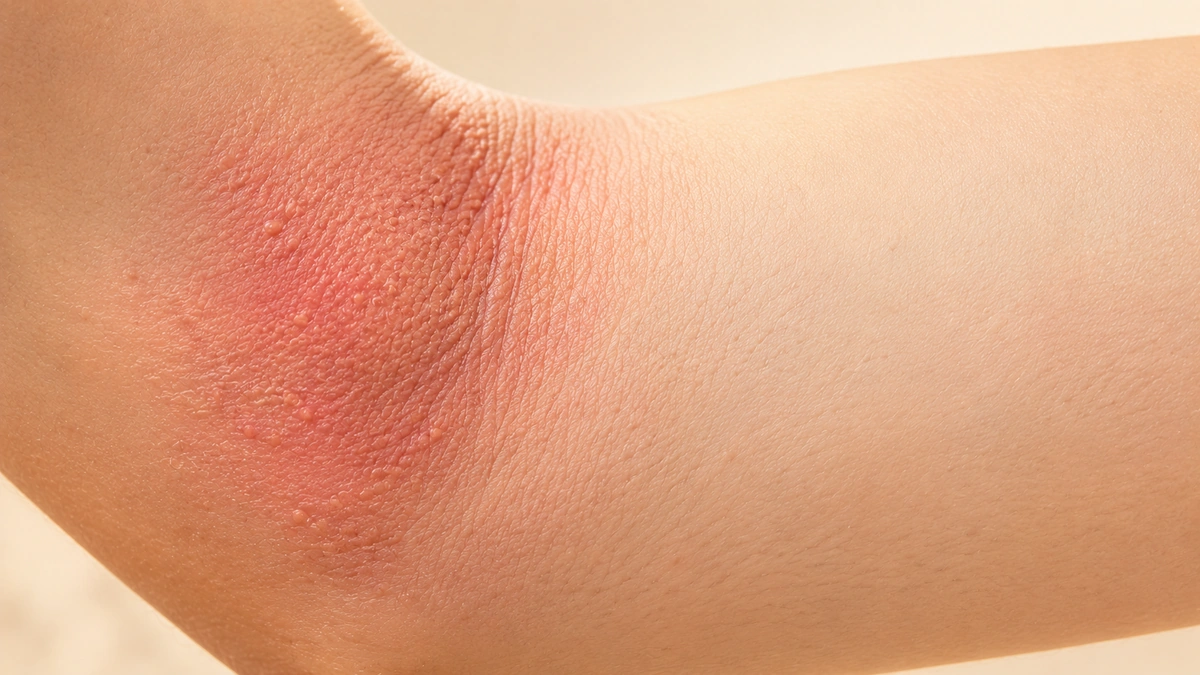

Systemic lupus erythematosus, known as SLE or simply lupus, is one of the most complex autoimmune conditions known to medicine. In lupus, the immune system loses its ability to distinguish the body’s own cells from foreign threats, generating a chronic inflammatory response against a remarkably wide range of tissues and organs simultaneously. Unlike most autoimmune conditions, which tend to target a single organ or tissue type, lupus can affect the skin, joints, kidneys, heart, lungs, blood vessels, nervous system, and blood cells, sometimes all at once and sometimes in shifting combinations that make the condition notoriously difficult to manage and deeply unpredictable in its course.
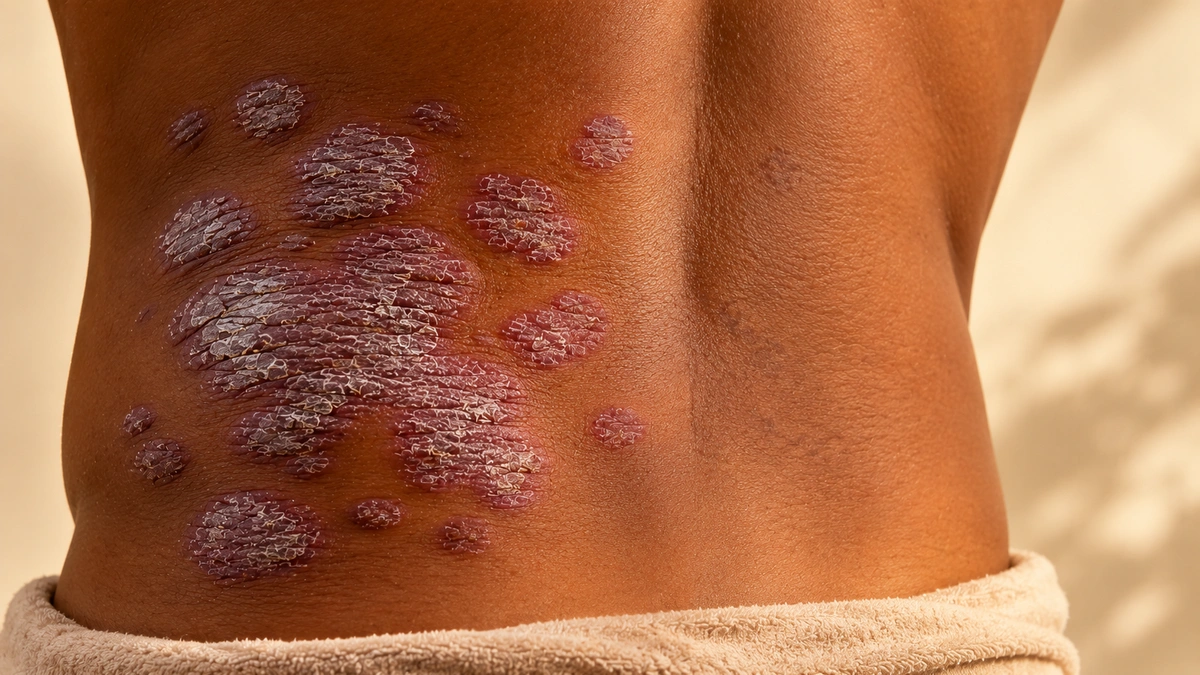
The hallmark presentation of lupus is the butterfly-shaped rash across the cheeks and nose bridge, which appears in many but not all people with the condition and is one of the most recognisable signs in clinical medicine. But the experience of lupus is far broader than its skin presentation: joint pain and swelling, profound and persistent fatigue that sleep does not relieve, hair loss, mouth ulcers, sensitivity to sunlight, chest pain from inflammation of the linings around the heart and lungs, kidney inflammation that can progress silently toward renal failure, cognitive changes, and the intermittent fevers and general unwellness of a body engaged in a continuous war against itself.
Lupus affects women far more commonly than men, with the highest incidence in women of reproductive age, reflecting the significant role of oestrogen in modulating the immune dysregulation that drives the condition. It follows a relapsing and remitting course, with periods of relative calm punctuated by flares that can be triggered by sun exposure, infection, stress, hormonal changes, or, sometimes, no identifiable cause at all.
I want to be clear before describing this programme: lupus is a serious systemic autoimmune condition that requires specialist management by a rheumatologist. The disease-modifying medications used in lupus management, including hydroxychloroquine, corticosteroids, and immunosuppressants, are medically essential for many people and this programme is not a substitute for them. Please do not reduce or stop prescribed medication without your rheumatologist’s guidance. What this programme offers is a structured nutritional support framework designed to reduce the inflammatory and oxidative burden of the condition, support the organs most at risk, and provide the body with the nutritional foundations it needs to sustain itself through a demanding chronic illness. Please share the full supplement list with your rheumatologist before beginning.
Stage 1
Anti-Inflammatory Foundation and Antioxidant Protection
This stage forms the non-negotiable foundation of the entire programme and runs for a minimum of three months, ideally continuing throughout. It addresses the core inflammatory and oxidative mechanisms of lupus directly, reducing the systemic burden that drives tissue damage across all the organ systems the condition affects.
MSM (methylsulfonylmethane) provides biologically available organic sulphur, which is essential for the synthesis of healthy connective tissue, collagen, and keratin. In lupus, the connective tissue throughout the body is a primary target of the immune attack, and MSM provides the structural raw materials for its ongoing maintenance and repair. MSM also has well-documented anti-inflammatory and analgesic properties that help to reduce joint pain and the systemic pain burden of active disease. Take one to two capsules twice daily with food.
Pau D’Arco with Selenium provides Tabebuia bark extract with powerful natural antifungal, antibacterial, and immune-modulating properties. In lupus, reducing the overall antigenic load on the immune system is meaningful: chronic infections and pathogenic organisms can act as triggers for immune flares, and Pau D’Arco’s antimicrobial action helps to reduce this burden. Its immune-modulating properties may help to moderate the excessive and misdirected immune activity that characterises the condition. Selenium is an essential cofactor in glutathione peroxidase and directly supports the antioxidant defence of tissues under inflammatory attack. Take one capsule two to three times daily, thirty minutes before food.
Pure-C provides vitamin C in the PUREWAY-C form for superior bioavailability. Vitamin C is essential for collagen synthesis throughout the body and is a primary antioxidant protecting cells and vessel walls from the free radical damage generated in large quantities during active lupus inflammation. It supports the adrenal glands in managing the cortisol demands of chronic inflammatory disease and strengthens the connective tissue of the vascular walls that lupus vasculitis places under direct threat. Take two tablets twice daily with food.
H-500 works at the mitochondrial level, providing deep cellular antioxidant protection against the elevated reactive oxygen species that drive the chronic tissue damage of lupus. It protects cell membranes from oxidative destruction, which is particularly important for preserving the integrity of joint tissue, vascular endothelium, and renal glomerular cells, the tissues most vulnerable to lupus-mediated damage. It also supports cellular energy production, directly addressing the chronic fatigue that is one of the most debilitating aspects of the condition. Take one to two capsules daily, thirty minutes before food.
Coral-Mine and Calci-Prime together address the electrolyte and pH balance that is systematically disturbed by chronic inflammatory disease. An acidic internal environment amplifies all inflammatory processes, and the alkalising effect of Coral-Mine water helps to reduce this background inflammatory amplification. Calci-Prime provides highly bioavailable calcium alongside magnesium and vitamin D3, both of which are essential for bone protection during prolonged corticosteroid treatment, immune regulation, and nervous system stability. Drop one Coral-Mine sachet into 1.5 litres of water and sip throughout the day between meals. Take two Calci-Prime tablets before sleep, increasing gradually to four tablets as directed.
Stage 2
Organ Protection and Targeted Anti-Inflammatory Support
This stage builds on the foundation of Stage 1 by adding supplements that directly protect the organs most at risk from lupus damage, improve microcirculation, and provide additional anti-inflammatory and antimicrobial support.
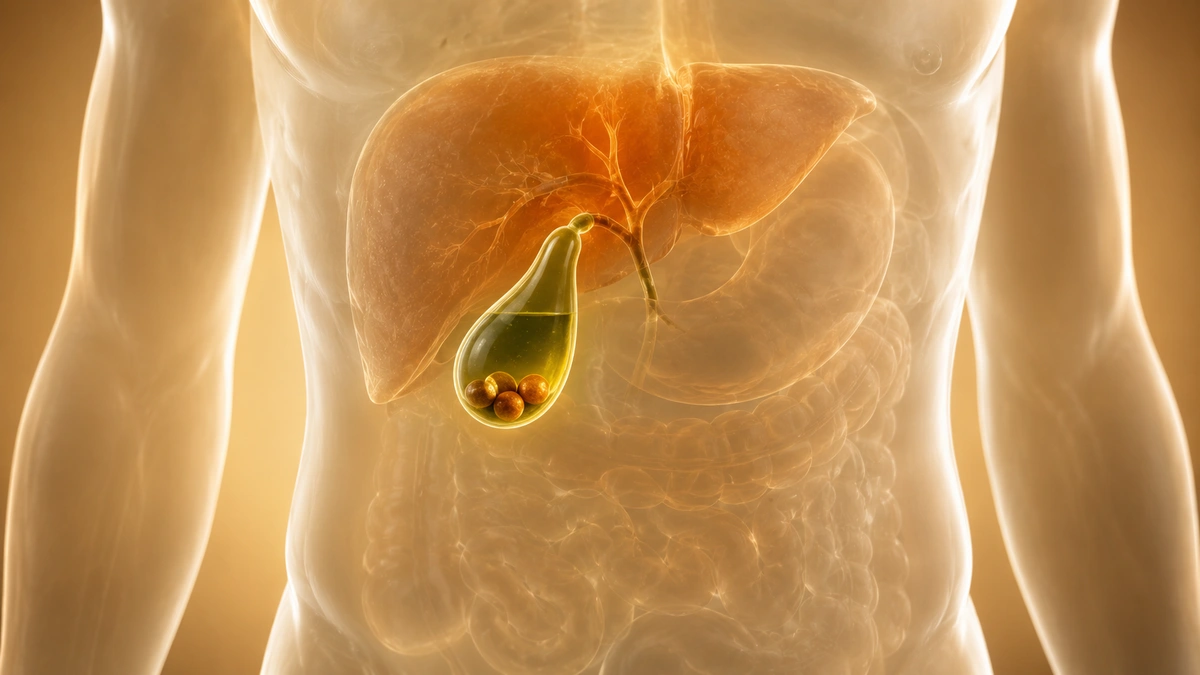
Coral Artichoke provides artichoke, milk thistle, and dandelion extracts that support and protect the liver, which is under sustained pressure from processing the inflammatory mediators of active lupus and from the metabolism of the medications used to treat it. Milk thistle’s silymarin content has direct hepatoprotective properties, protecting liver cells from the toxic load they carry in chronic inflammatory disease. Artichoke supports bile flow and detoxification. Take one to two capsules daily with food.
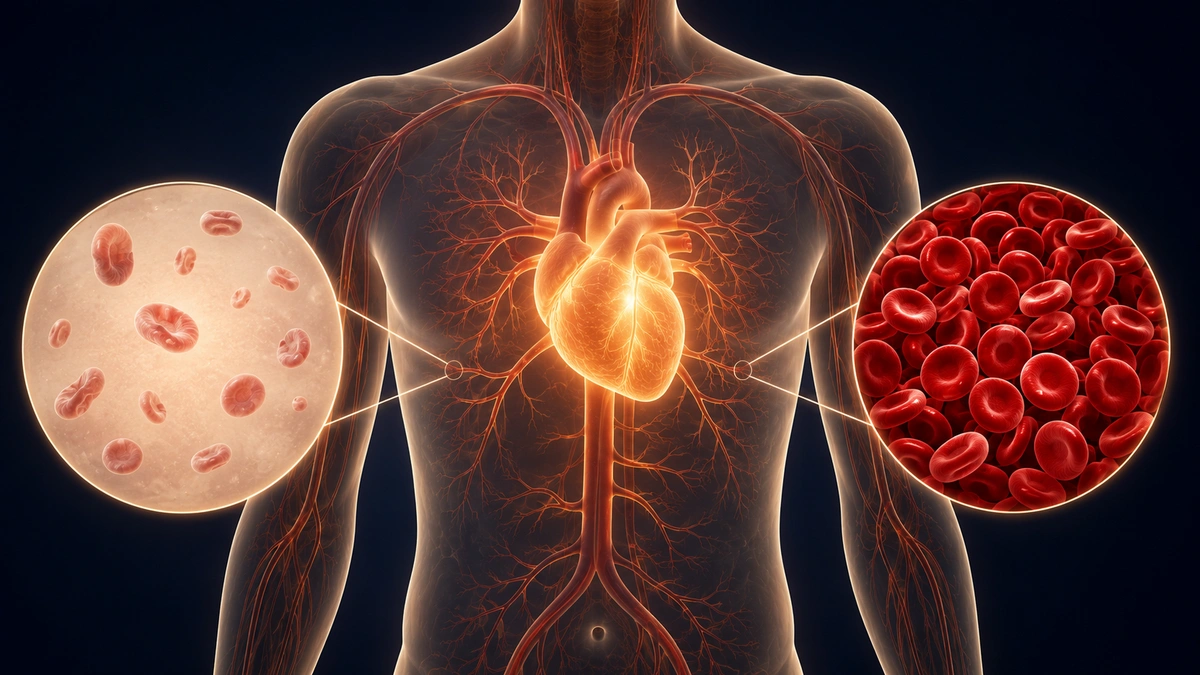
Ginkgo Biloba improves microcirculation, particularly important in lupus where vasculitis, the inflammation of blood vessel walls, impairs the delivery of oxygen and nutrients to all the organs affected by the condition. Its neuroprotective properties are relevant to the cognitive and nervous system involvement of lupus. It also has nephroprotective effects that may help to support kidney function in the context of lupus nephritis. Ginkgo biloba is not currently available as a Coral Club UK product and can be sourced from health food shops. Take one to two capsules daily with food. Please discuss with your rheumatologist if you are on anticoagulant medication.
Silver-Max Care is a colloidal silver solution with broad-spectrum antimicrobial properties. The source programme recommends holding half a teaspoon under the tongue twice daily before swallowing, and topical application of two to three drops to affected mucous membranes. Silver-Max Care is labelled in the UK for external use. Product regulations for colloidal silver vary between countries. UK-based clients should follow the current UK product labelling and consult their GP or a qualified health practitioner before any broader application.
Omega-3 TG provides EPA and DHA omega-3 fatty acids in triglyceride form. Omega-3s are among the most well-evidenced nutritional interventions for autoimmune inflammatory conditions: they are direct precursors to anti-inflammatory prostaglandins, reduce the production of pro-inflammatory cytokines including TNF-alpha and interleukin-6, and are incorporated into the cell membranes of immune cells where they modulate their activation threshold. Take one to two capsules daily at the end of a meal containing fat for best absorption.
Stage 3
Nervous System Support, Immune Modulation, and Topical Relief
The third stage addresses the nervous system involvement and nutritional deficiencies of lupus, provides targeted immune modulation, and introduces topical support for the joints and skin manifestations of the condition.
Tasty B (B-Complex) provides the complete B-vitamin family, essential for the health of the myelin sheaths of the nervous system, which can be directly damaged by neuropsychiatric lupus. B vitamins support the adrenal glands in their production of the anti-inflammatory cortisol that the body’s own regulatory system relies on, provide the cofactors needed for cellular energy production in a body under chronic inflammatory strain, and support the nervous system stability that chronic illness depletes. Take one to two tablets daily with food.
Zinc is a powerful antioxidant and an essential cofactor in hundreds of enzymatic processes including tissue regeneration and immune regulation. Zinc helps to modulate the overactive immune responses of autoimmune conditions, supports the repair of mucosal and connective tissue, and improves wound healing in skin affected by lupus lesions. Take one tablet daily with food.
Emu Oil with Tea Tree is a topical product combining emu oil, which has deeply penetrating and anti-inflammatory properties, with tea tree oil, which provides antimicrobial and soothing effects. Apply directly to skin over affected joints to reduce pain, inflammation, and local tissue irritation. The deep penetrating quality of emu oil allows the active compounds to reach joint tissue through the skin, providing localised anti-inflammatory relief as a complement to the systemic programme.
Cool Relief is Coral Club’s topical analgesic and anti-inflammatory cream, applied directly to painful joints for fast-acting localised relief. Its combination of botanical anti-inflammatory and circulatory actives provides direct comfort to the joint areas most affected by lupus arthritis. Apply a thin layer to the skin over each affected joint two to three times daily.
Stage 4
Deep Immune Modulation and Nutritional Restoration
This fourth stage provides additional immune-normalising, antioxidant, and broad nutritional support for people who want the most comprehensive programme or who are dealing with a more severe or active disease presentation.
Colostrum Plus provides bovine colostrum containing immunoglobulins, growth factors, and immune-modulating compounds that may help to normalise the dysregulated immune function underlying lupus. It supports the repair of mucosal barriers throughout the body, which are frequently compromised in autoimmune conditions, and provides anti-inflammatory compounds that complement the systemic programme. Take one capsule daily with food.
AquaOx provides a concentrated antioxidant complex from pomegranate, acai, cocoa, and rosemary extracts, offering additional cellular protection against the sustained oxidative stress of chronic active lupus. Its polyphenol content specifically supports connective tissue protection and cardiovascular health, both of which are compromised in systemic lupus. Take one to two capsules with food.
NutriPack provides a comprehensive baseline of vitamins, minerals, dietary fibre, and probiotics, addressing the broad nutritional depletion that inevitably accompanies chronic illness and long-term medication use. It ensures that the body has the full spectrum of micronutrients it needs to maintain its repair and regulatory processes throughout the programme. Follow the instructions included with the programme.
Lifestyle and Sun Protection
Sun protection is not optional for people with lupus: ultraviolet radiation is one of the most consistent and powerful triggers for lupus flares, both cutaneous and systemic. Wear broad-spectrum SPF 50 sunscreen every day, not only in summer or when outdoors for extended periods, and cover up with clothing and hats in direct sunlight. Avoid the midday sun wherever possible.
Manage stress actively, as psychological stress is a well-documented lupus trigger. Adequate sleep, gentle exercise such as swimming and yoga, and meaningful social connection all support the immune regulation that stress depletes. Eat an anti-inflammatory diet rich in vegetables, fruits, oily fish, and olive oil, and reduce processed foods, sugar, and alcohol. Maintain a healthy weight, as obesity is associated with more severe lupus activity.
Please attend all your rheumatology appointments and keep your specialist team fully informed of every supplement you are taking. Some supplements can interact with lupus medications, particularly immunosuppressants and anticoagulants, and your medical team needs the complete picture. If you would like to discuss this programme, please reach out through the contact page.
Frequently Asked Questions
Do I need all seventeen products?
The Stage 1 products form the essential foundation and should always come first: MSM, Pau D’Arco with Selenium, Pure-C, H-500, Coral-Mine, and Calci-Prime address the core inflammatory, oxidative, and connective tissue needs that are central to every presentation of lupus. Stage 2 adds organ protection and targeted anti-inflammatory support. Stage 3 and 4 products can be introduced progressively based on your specific symptoms, the organs most affected, and your budget. I am always happy to help you work out the right starting point for your individual situation.
Why register with Coral Club rather than buying at full price?
Anyone can purchase Coral Club products at full price without registering, so there is no pressure to do so. However, registering as a member through my link gives you a permanent 20% discount on all orders. Registration is completely free, there is no subscription, and the discount never expires. Your first order simply needs to be placed within 30 days of registering to activate membership. You can register here: https://coral.club/7695779.html
How long before I notice any improvement?
Lupus is a chronic condition with a relapsing and remitting course, and nutritional support works gradually rather than quickly. Most people notice some improvement in fatigue, joint comfort, and general wellbeing within four to six weeks of consistent Stage 1 use. More meaningful changes in flare frequency, skin presentation, and overall disease activity typically become apparent over three to six months of sustained support. I would encourage tracking your symptoms, fatigue levels, and any relevant laboratory markers with your rheumatologist throughout the programme.
Can I take this programme alongside hydroxychloroquine or corticosteroids?
Please discuss every supplement in this programme with your rheumatologist before starting. Lupus medications, particularly immunosuppressants, can interact with certain supplements. Omega-3 TG and Ginkgo Biloba can affect platelet function. Some supplements may influence the metabolism of lupus medications. Your specialist team needs the complete picture of what you are taking and can advise on any combinations that require careful monitoring.
My lupus primarily affects my kidneys. Is this programme relevant for lupus nephritis?
Yes, and several products in this programme are directly relevant to kidney protection in lupus nephritis. Ginkgo biloba has documented nephroprotective properties. H-500 and Pure-C protect kidney cells from the oxidative damage of immune complex deposition. Coral-Mine supports kidney function through improved hydration quality and electrolyte balance. MSM reduces the systemic inflammation that drives renal involvement. Please keep your nephrologist as well as your rheumatologist fully informed of this programme, as lupus nephritis requires particularly close medical monitoring.