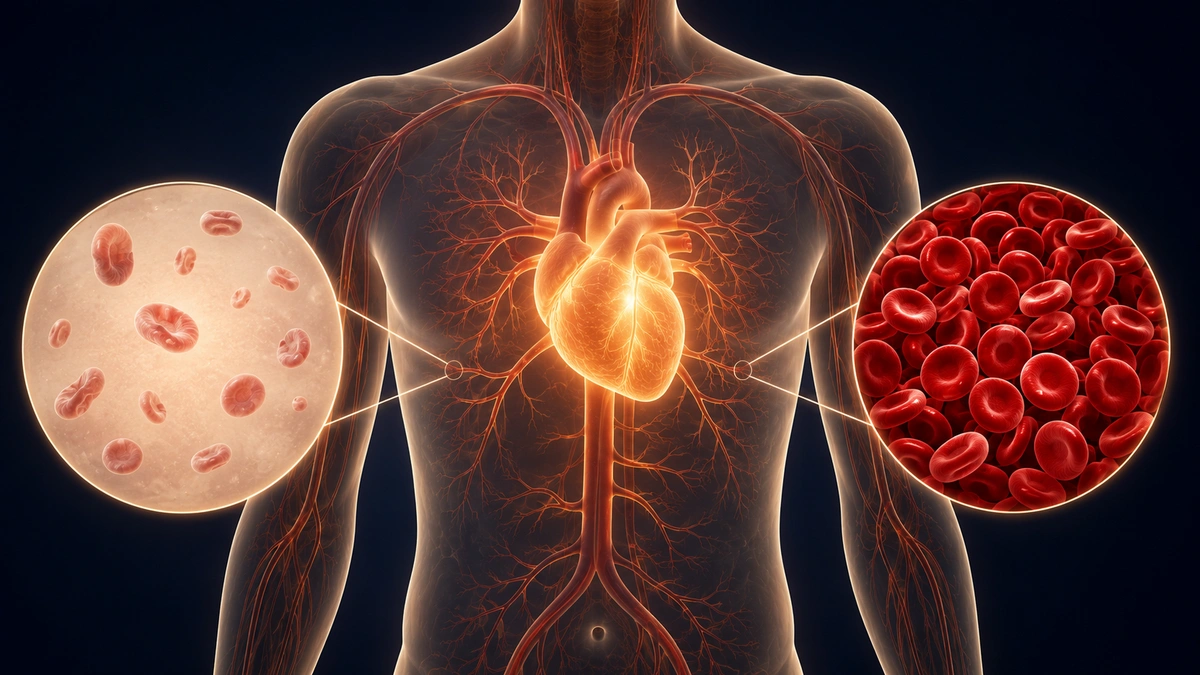

The heart beats approximately one hundred thousand times every day, every day of your life, without pause or rest. It is the only muscle in the body that never stops working, and that singular demand means it has nutritional requirements unlike any other organ. When those requirements are not met consistently, whether through the gradual depletion that comes with age, the drain of chronic stress, poor diet, or the side effects of certain medications, the heart muscle begins to work with less efficiency and less resilience than it should.
The signs are often subtle at first: a shortness of breath that was not there before, a tiredness that sleep does not fully resolve, a heartbeat that occasionally feels too fast or too strong, a heaviness in the chest after exertion. These are signals worth taking seriously, and any new or worsening cardiac symptoms should be assessed by a GP without delay. This programme is not a substitute for medical assessment or care. What it offers is a structured nutritional foundation designed to give the heart muscle the specific compounds it depends on for energy production, electrolyte balance, antioxidant protection, and vascular integrity.
What the Heart Muscle Needs
The cardiac muscle cell, the cardiomyocyte, is one of the most energy-intensive cells in the body. It runs almost entirely on ATP, the cellular energy molecule, which is produced in the mitochondria. For this production to proceed efficiently, the cell needs Coenzyme Q10, adequate magnesium and potassium, healthy omega-3 fatty acid composition in its membranes, and protection from the oxidative stress that accumulates as a natural by-product of its constant activity. When any of these are deficient, the heart compensates by working harder, which accelerates its wear over time.
The programme works across three progressive stages, addressing these needs in turn: first, the energy and antioxidant requirements of the heart cells themselves; then, the electrolyte balance and circulatory health that allow the heart to beat rhythmically and without excessive resistance; and finally, the broader nutritional environment that reduces metabolic strain on the whole cardiovascular system.
Stage 1
Energy Supply and Antioxidant Protection (Two to Three Months)
Coenzyme Q10 is the most important single supplement for cardiac energy support. It is a natural component of every mitochondria in the body, and the heart, with its exceptional energy demands, contains the highest concentration of CoQ10 of any organ. After around the age of forty, natural CoQ10 synthesis begins to decline, and the decline is accelerated by statin medications, which are widely prescribed for cardiovascular risk but deplete CoQ10 as a side effect. Supplementing CoQ10 directly supports the efficiency of mitochondrial energy production in cardiomyocytes, may help to reduce fatigue and breathlessness associated with cardiac insufficiency, and provides antioxidant protection to the cells that are most exposed to oxidative stress. One capsule daily with a meal, as CoQ10 is fat-soluble and absorbs best with food.
Omega-3 TG provides EPA and DHA omega-3 fatty acids in triglyceride form for optimal absorption. These fatty acids are incorporated directly into the cell membranes of cardiac muscle cells, maintaining their elasticity and fluidity and supporting efficient signal transmission between cells. They have well-documented anti-inflammatory properties that protect the coronary arteries from the inflammatory processes that drive atherosclerosis, help to lower triglycerides, and contribute to the stabilisation of heart rhythm. One capsule daily with food.
Cardiopack is a complete heart health set developed by Coral Club specifically for cardiovascular support. It contains four complementary products that work together as a synergistic system for sixty days: PentoKan, which provides potassium in effervescent form alongside ribose and vitamin C (potassium is the primary intracellular electrolyte of the heart muscle, and ribose is a direct precursor to ATP); Coenzyme Q10 capsules; Coral Taurine, an amino acid that regulates the exchange of potassium, magnesium, and calcium within cardiac cells and supports healthy cholesterol; and Coral Magnesium, which provides magnesium in the highly bioavailable glycinate and taurate forms. Together these components address energy supply, electrolyte regulation, and cellular protection in one convenient programme. Cardiopack is designed for a two-month course. Follow the dosage instructions included with the set.
Stage 2
Electrolyte Balance and Vascular Support (Two to Three Months)
Coral-Mine provides a daily supply of ionised, easily absorbed calcium, magnesium, and potassium through mineralised water. Drinking 1.5 to 2 litres of Coral-Mine water each day supports the electrolyte balance that the heart muscle depends on for stable, rhythmic contraction and relaxation. Adequate hydration also reduces blood viscosity, making it easier for the heart to pump efficiently and reducing the workload on the myocardium. One sachet dissolved in 1.5 to 2 litres of water, sipped throughout the day between meals.
Coral Magnesium is available separately from the Cardiopack for extended or standalone use. Magnesium is often called the cardiac mineral, and with good reason: it governs the relaxation phase of the heartbeat, acts as a natural calcium antagonist to prevent vascular spasm, helps to normalise elevated blood pressure, and directly counteracts the hyperexcitability of the myocardium that contributes to irregular heart rhythms. Magnesium deficiency is extremely common and is often not detected on standard blood tests, as only one percent of the body’s magnesium is in the bloodstream. One to two capsules daily as directed.
Ginkgo Biloba is recommended in this stage for its well-documented support of microcirculation, the circulation of blood through the smallest vessels that nourish the heart muscle itself and the coronary arterial network. It improves the fluidity and flow of blood through the microvasculature, supports the elasticity of capillary walls, and helps tissues to maintain their function under conditions of reduced oxygen supply. It also provides antioxidant protection to vascular tissue. Ginkgo Biloba is not currently part of the Coral Club UK range but is widely available from health food shops and pharmacies across the UK as a standardised extract. Look for a product standardised to 24% flavone glycosides and 6% terpene lactones, which is the form used in most clinical research. One capsule once or twice daily with food as directed on the product you choose.
Stage 3
Nutritional and Enzymatic Foundation (One to Two Months)
The supplements in this final stage broaden the nutritional foundation of the programme, addressing the metabolic and enzymatic environment that the heart and vascular system depend on for sustained, long-term health.
Premium Spirulina provides a broad spectrum of nutrients in a highly bioavailable form: complete protein, including all essential amino acids, iron, B vitamins, chlorophyll, and antioxidant compounds. Iron is specifically relevant here, as anaemia, even mild anaemia, significantly increases the workload of the heart by reducing the oxygen-carrying capacity of the blood. The B vitamins in spirulina support energy metabolism and the nervous regulation of the heart. Two tablets twice daily, thirty minutes before meals.
Tasty B provides the complete B-vitamin family in a readily absorbed form. Of particular relevance for heart health are vitamins B6, B12, and folate, which together regulate homocysteine levels in the blood. Homocysteine is an amino acid that, when chronically elevated, damages arterial walls and significantly increases the risk of atherosclerosis, thrombosis, and cardiovascular events. Maintaining adequate B-vitamin status is one of the most well-supported nutritional interventions for cardiovascular risk reduction. One to two tablets daily with food.
Assimilator supports healthy digestion and the efficient breakdown of food, reducing the formation of circulating immune complexes that can contribute to arterial inflammation. Efficient digestion also reduces the metabolic burden on the body as a whole, which in turn reduces unnecessary demands on the cardiovascular system. One capsule with each main meal.
Important Notes for This Programme
Please consult your GP before beginning this programme if you have a diagnosed heart condition, are taking prescribed cardiac medication such as statins, beta blockers, or anticoagulants, or if you have experienced any cardiac symptoms that have not yet been medically assessed. Some supplements in this programme can interact with cardiac medications. This is particularly important: your prescribing doctor needs to know what you are taking.
Alongside the supplements, the lifestyle factors with the strongest evidence for supporting heart health are regular moderate physical movement, a diet rich in vegetables and low in processed foods and refined carbohydrates, not smoking, reducing alcohol, and managing chronic stress. These are not optional additions to this programme: they are foundational to it, and the supplements work most effectively when they are not fighting against lifestyle habits that constantly regenerate the cardiovascular burden.
Frequently Asked Questions
Do I need both Cardiopack and the individual supplements, or is Cardiopack enough on its own?
Cardiopack is a well-designed foundation that covers CoQ10, magnesium, potassium, and taurine in one convenient set, and for many people it provides a strong starting point on its own alongside Omega-3 TG. The individual supplements in stages two and three — Coral-Mine, Gotu Kola Extract, Spirulina, Tasty B, and Assimilator — add important complementary layers of support that Cardiopack does not cover, particularly for homocysteine management, microcirculation, and metabolic efficiency. I would recommend Cardiopack plus Omega-3 TG as a minimum, with the stage two and three products added progressively.
Why register with Coral Club rather than buying at full price?
Anyone can purchase Coral Club products at full price without registering, so there is no obligation. However, registering as a member through my link gives you a permanent 20% discount on all orders. Registration is completely free, there is no subscription, and the discount never expires. Your first order simply needs to be placed within 30 days of registering to activate membership. You can register here: https://coral.club/7695779.html
How long before I notice any improvement in how my heart feels?
Most people notice an improvement in energy levels and a reduction in general fatigue within the first three to four weeks of consistent use, particularly as CoQ10 levels begin to build. Changes in breathlessness, exercise tolerance, and the sense of cardiac effort typically take longer, building over six to eight weeks of stage one. The structural and protective benefits of stage three’s nutrients for arterial health and metabolic efficiency are longer-term investments that build over months. I would encourage anyone following this programme to track their energy, breathlessness, and overall vitality weekly rather than daily to see the cumulative progress clearly.
I take a statin. Is CoQ10 safe to take alongside it?
This is one of the most important questions for this programme. Statins inhibit an enzyme that is involved in both cholesterol and CoQ10 synthesis, which means they can significantly deplete CoQ10 levels in the body. Many cardiologists now recommend CoQ10 supplementation for patients on statins for exactly this reason. That said, please discuss this with your GP or prescribing doctor before adding CoQ10 to your regimen, as they will want to be aware of any supplements you are taking alongside your medication and can confirm it is appropriate for your specific situation.
Is this programme suitable for someone who has already had a heart attack?
This programme is designed for nutritional support of the healthy heart and for preventive cardiovascular care. If you have had a heart attack, you are under the care of a cardiology team, and any nutritional programme you begin must be discussed with and approved by that team before you start. Some supplements in this programme, particularly those that affect blood flow, platelet function, and electrolyte balance, require medical oversight in post-cardiac event care. Please speak with your cardiologist first.