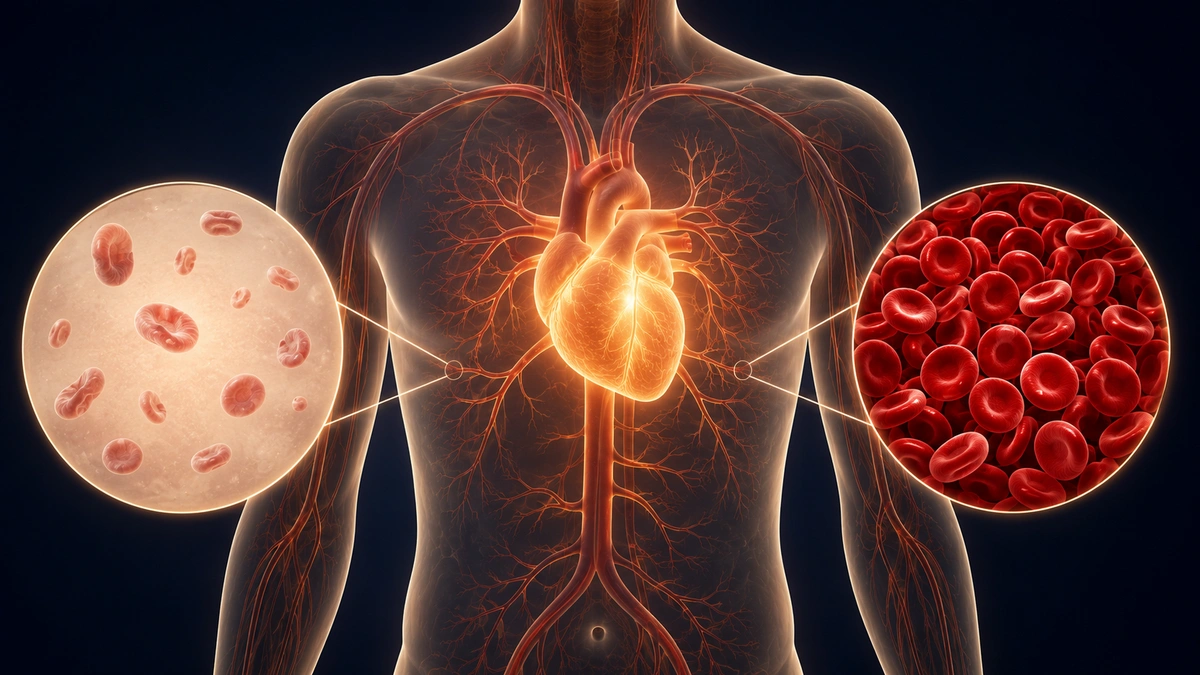
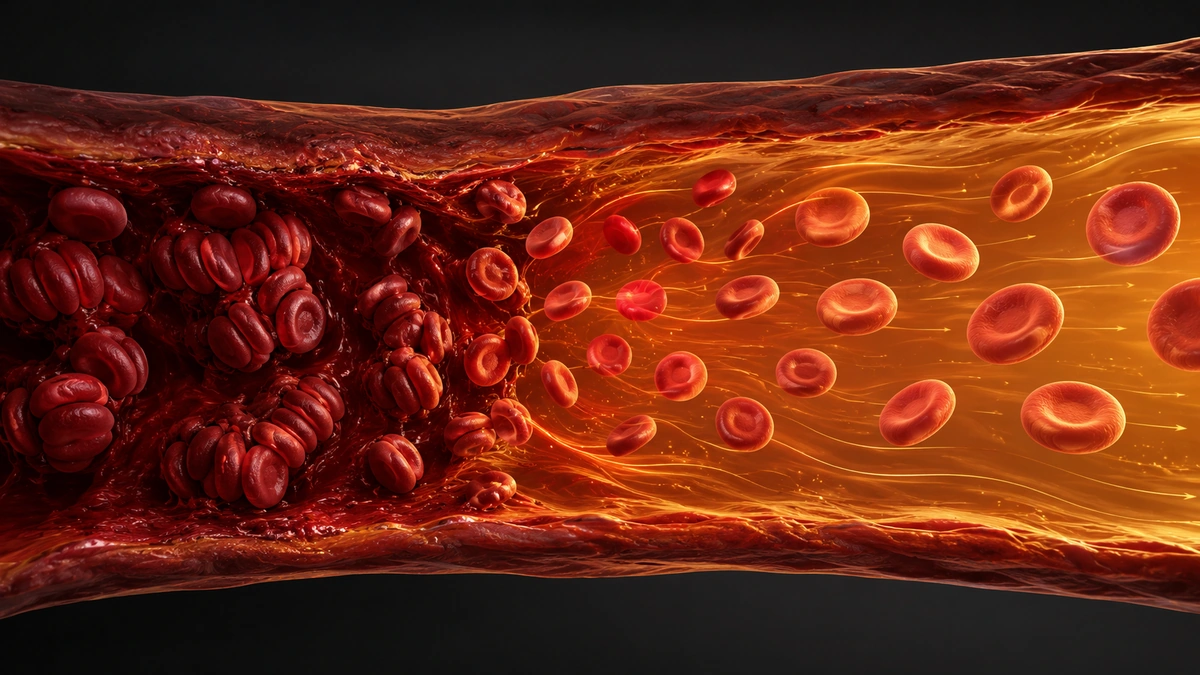
Blood is a living fluid, and like all fluids its behaviour depends on its physical properties. When blood is in its optimal rheological state, its cells flow freely through even the finest capillaries, delivering oxygen and nutrients to every tissue in the body with efficiency and ease. When blood becomes excessively viscous, thick, or prone to platelet aggregation, this delivery system falters. The heart works harder to push denser blood through the vessels. The smallest capillaries, which lack the pressure to force thick blood through them, become underperfused. The risk of clot formation rises significantly, with potentially serious consequences including heart attack, stroke, and pulmonary embolism.
Elevated blood viscosity is not a diagnosis in itself but a physiological state with multiple contributing causes. Chronic dehydration is the most common and most easily addressed: when the plasma volume is reduced, the concentration of red blood cells and platelets increases, thickening the blood directly. Enzymatic deficiency, when digestive enzymes are insufficient, leads to incompletely broken-down proteins entering the bloodstream where they can damage vessel walls and contribute to aggregation. An overly acidic internal environment, driven by a diet heavy in refined sugars, processed foods, and alcohol, causes the body to retain fluid to neutralise acids, concentrating the blood further. Deficiencies of key antioxidants and minerals weaken the stability of red blood cell membranes, increasing their tendency to clump. And underlying conditions including liver disease, diabetes, varicose veins, and autoimmune conditions all create an environment in which the blood thickens and flow becomes compromised.
The symptoms of elevated blood viscosity are often non-specific and easy to attribute to general fatigue: persistent tiredness and low energy, poor concentration and memory, headaches and dizziness, dry skin and persistent thirst, cold hands and feet with numbness or tingling, raised blood pressure, low mood, and in some cases visual disturbances or tinnitus.
This programme addresses the underlying mechanisms of elevated blood viscosity across four sequential stages. Please consult your GP before beginning, particularly if you have been diagnosed with any cardiovascular condition, clotting disorder, or are taking any prescribed medication. If you are on anticoagulant medication such as warfarin, apixaban, or rivaroxaban, this programme must be discussed with your prescribing doctor before starting, as several of the supplements included can affect platelet function and interact with anticoagulant drugs.
Stage 1
Basic Hydration and pH Normalisation
This is the most important and foundational stage of the programme and runs continuously throughout. Without adequate hydration and a normalised internal pH, every other intervention in this programme will be less effective. This stage can and should be maintained indefinitely as an ongoing daily habit beyond the active programme period.
Coral-Mine is the foundation of everything that follows. The alkalising, mineralising effect of Coral-Mine water addresses two of the most common contributors to elevated blood viscosity simultaneously. By providing structured, alkaline, mineralised water, it helps to gently normalise the internal pH balance, reducing the acidic environment that drives fluid retention and blood concentration. The calcium, magnesium, and potassium in every sachet improve the electrolyte balance of the blood plasma and support the healthy function of the vascular smooth muscle. Consistently adequate hydration with quality water directly reduces plasma concentration and improves blood fluidity. Drop one sachet into 1.5 to 2 litres of clean still water and sip throughout the day in small amounts between meals.
Stage 2
Antioxidant Protection and Improving Microcirculation
This stage runs for two to three months. It targets the oxidative stress that damages red blood cell membranes and vascular endothelium, and addresses the inflammatory and lipid mechanisms that promote platelet aggregation and vessel wall damage.
H-500 provides powerful antioxidant protection at the mitochondrial level, protecting the membranes of red blood cells from the oxidative damage that reduces their flexibility and increases their tendency to aggregate. Healthy red blood cells are remarkably deformable, able to change shape to pass through capillaries smaller than their own diameter, and it is this membrane elasticity that elevated oxidative stress degrades over time. H-500 preserves and restores this elasticity, directly improving the rheological behaviour of the blood and microcirculation throughout the capillary network. Take one capsule twice daily thirty minutes before food.
Omega-3 TG provides EPA and DHA omega-3 fatty acids in triglyceride form for optimal absorption. Omega-3 fatty acids are incorporated into the phospholipid membranes of platelets, where they reduce the platelets’ tendency to activate and aggregate by competing with the pro-aggregatory arachidonic acid pathway. This is one of the most well-evidenced nutritional mechanisms for improving blood fluidity. Omega-3s also reduce systemic inflammation, lower triglyceride levels, improve the flexibility of red blood cell membranes, and support the health of the vascular endothelium. Take one capsule daily with a main meal. Please note that omega-3 supplements can affect platelet function and should be discussed with your GP if you are on anticoagulant medication.
Ginkgo Biloba improves microcirculation and the rheological properties of the blood through several complementary mechanisms: it reduces plasma viscosity, increases the flexibility of red blood cells, inhibits platelet aggregation, and improves blood flow to the brain, hands, and feet where reduced microcirculation is most symptomatic. It is particularly relevant for the cognitive symptoms of reduced cerebral perfusion, including poor memory and concentration, that often accompany elevated blood viscosity. Take one capsule once or twice daily with food. Ginkgo biloba is not currently available as a Coral Club UK product and can be sourced from health food shops and pharmacies. Please discuss with your GP before taking if you are on anticoagulant or antiplatelet medication.
Stage 3
Cellular Metabolism and Vascular Wall Strengthening
This stage runs for one to two months and provides the specific vitamins and lipids that the vascular endothelium and blood cell membranes need to maintain their structural integrity and functional capacity.
Tasty B (B-Complex) provides the complete B-vitamin family, with particular relevance to blood viscosity from vitamins B6, B12, and folic acid. These three B vitamins regulate the metabolism of homocysteine, an amino acid that, when elevated in the blood, directly damages the vascular endothelium, promotes platelet aggregation, and significantly increases clotting risk. Normalising homocysteine through adequate B-vitamin status is one of the most evidence-based and underappreciated interventions for cardiovascular and haematological health. Take one tablet once or twice daily with food.
Coral Lecithin provides phospholipids that improve the fluidity and permeability of cell membranes throughout the cardiovascular system, including the membranes of red blood cells and the endothelial cells lining the vessel walls. Lecithin acts as a natural emulsifier of fats and cholesterol in the bloodstream, preventing the accumulation of lipid deposits on vessel walls that contribute to arterial stiffness and reduced vascular elasticity. It also supports liver function, which directly influences the production of the proteins that regulate the coagulation and fibrinolysis balance. Take one capsule once or twice daily with food.
Pure-C provides vitamin C in the PUREWAY-C form for superior bioavailability and extended retention. Vitamin C is essential for collagen synthesis in the vessel walls, maintaining their structural integrity, elasticity, and resistance to damage. As a powerful antioxidant, it protects the vascular endothelium from the oxidative damage that promotes atherogenesis and vessel wall inflammation. It also supports iron absorption, which is important for maintaining healthy haemoglobin levels. Take one tablet twice daily with food.
Stage 4
Enzymatic Support and Periodic Deep Cleansing
This stage runs for one month at a time and is recommended two to three times per year rather than continuously. It addresses one of the less recognised contributors to elevated blood viscosity: the accumulation of incompletely broken-down proteins and immune complexes in the bloodstream that increase its density and promote aggregation.
Assimilator provides a comprehensive blend of plant-derived proteolytic, lipolytic, and carbohydrolytic enzymes. When taken between meals rather than with them, these enzymes act systemically in the bloodstream rather than digestively in the gut. In this systemic role, they help to break down the circulating fibrin fragments, immune complexes, and partially digested protein molecules that contribute to blood thickening and vessel wall irritation. This enzymatic action supports the body’s own fibrinolytic processes and contributes to improved blood fluidity over a sustained course. Take one to two capsules between meals, two to three times daily, on an empty stomach for systemic action.
Dietary and Lifestyle Recommendations
Increase your daily water intake consistently: the blood is approximately ninety percent water, and chronic mild dehydration is the single most common and most reversible cause of elevated blood viscosity. Drink Coral-Mine water throughout the day. Increase your intake of natural blood-fluidity-supporting foods: oily fish, garlic, ginger, turmeric, and dark berries all have evidence-based contributions to healthy platelet function and vascular health. Reduce refined sugar, white flour, processed foods, fried food, and alcohol, all of which contribute to the acid load, inflammatory state, and lipid imbalance that thicken the blood.
Move your body consistently every day: even a thirty-minute walk significantly improves venous return and prevents the blood pooling and stasis that promote clot formation. Avoid prolonged immobility, particularly during air travel. Quit smoking if you smoke: tobacco compounds are among the most potent promoters of platelet aggregation and vascular damage known.
Please monitor your blood pressure and any relevant markers with your GP during this programme. If you experience sudden severe headache, vision changes, chest pain, or weakness on one side of the body, seek emergency medical attention immediately. These symptoms require urgent assessment regardless of any nutritional programme you are following. If you would like to discuss this programme, please reach out through the contact page.
Frequently Asked Questions
Do I need all eight products?
Coral-Mine is the essential daily foundation throughout and the most important single intervention for elevated blood viscosity caused by dehydration, which is the most common cause. H-500 and Omega-3 TG form the core antioxidant and anti-aggregation pair in Stage 2. Tasty B is particularly important if homocysteine regulation is a concern. Coral Lecithin adds meaningful lipid and membrane support. Pure-C strengthens the vascular walls. Assimilator provides periodic enzymatic support two to three times per year. Ginkgo Biloba is most relevant for those with symptoms of poor cerebral or peripheral circulation.
Why register with Coral Club rather than buying at full price?
Anyone can purchase Coral Club products at full price without registering, so there is no pressure to do so. However, registering as a member through my link gives you a permanent 20% discount on all orders. Registration is completely free, there is no subscription, and the discount never expires. Your first order simply needs to be placed within 30 days of registering to activate membership. You can register here: https://coral.club/7695779.html
How long before I notice any improvement?
Most people notice improvements in energy levels, cognitive clarity, and the sensation of cold or numb extremities within three to four weeks of consistent hydration with Coral-Mine and the introduction of H-500 and Omega-3 TG. More meaningful improvements in blood pressure, circulation, and the broader cardiovascular markers that reflect blood rheology typically build over two to three months of the full programme. I would encourage tracking your symptoms weekly and discussing any relevant blood test results with your GP.
I am on blood pressure medication. Can I take this programme?
Please discuss this programme with your GP before starting if you are on any prescribed cardiovascular medication. Several supplements in this programme, particularly Omega-3 TG and Ginkgo Biloba, can affect platelet function and blood pressure, and your prescribing doctor needs to know what you are taking alongside your medication to monitor appropriately.
Is this programme suitable for someone who has had a DVT or pulmonary embolism?
No, not without explicit medical clearance. Anyone with a history of deep vein thrombosis, pulmonary embolism, or any other clotting event is almost certainly on prescribed anticoagulant medication, and starting additional supplements that affect platelet function or coagulation without medical supervision carries genuine risk. Please discuss this programme thoroughly with your haematologist or GP before considering any element of it. Your medical team needs to assess whether any of these supplements are appropriate alongside your prescribed treatment.