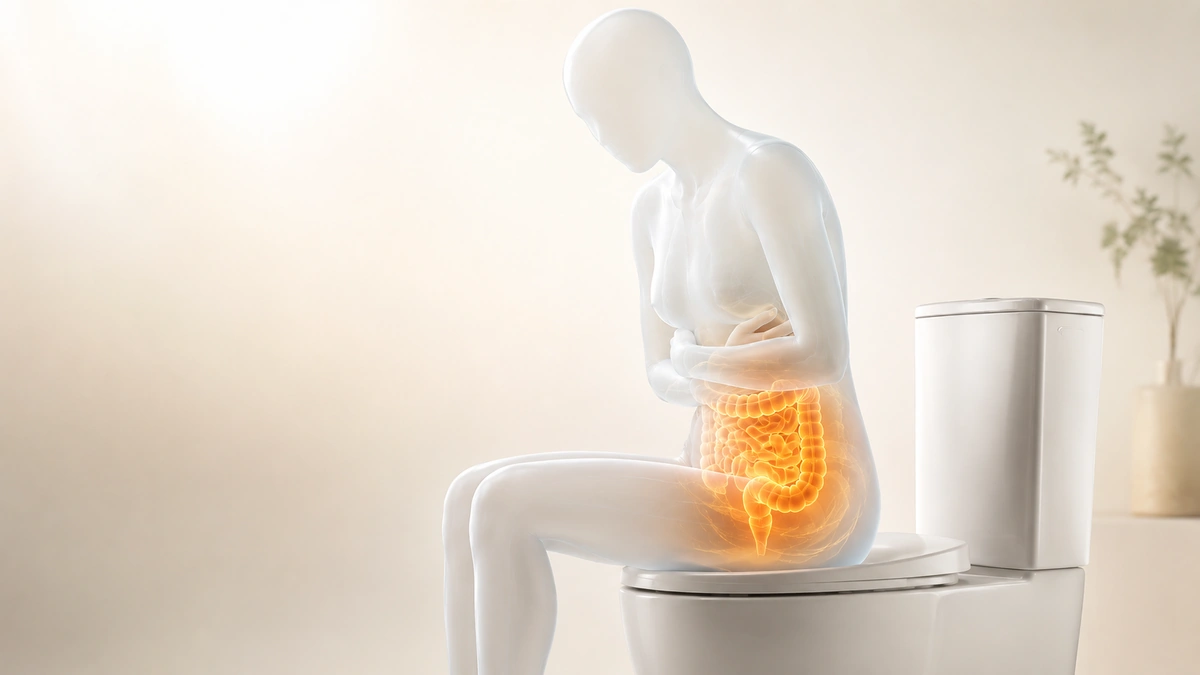
Diarrhoea is one of the most common digestive complaints, and while an acute bout is usually self-limiting, the experience it produces is both debilitating and disruptive. The frequent, loose, and urgent stools of diarrhoea reflect a gut that has lost its normal regulatory balance: the intestinal transit has accelerated beyond what allows adequate water absorption, the mucosal lining is irritated and inflamed, and the microbiome that normally stabilises gut motility and immune responses has been disturbed. Left without proper support, this imbalance tends to persist or recur rather than resolving cleanly, leaving a residual digestive fragility, bloating, irregular bowel function, and reduced immunity that can last for weeks after the acute episode.
The causes are varied. Viral and bacterial gastroenteritis are among the most common, as are food poisoning and traveller’s diarrhoea from exposure to unfamiliar pathogens. Antibiotic treatment disrupts the gut microbiome and is a frequent trigger, sometimes producing diarrhoea during the course and for weeks after it ends. Stress and anxiety activate the gut-brain axis in ways that directly accelerate bowel motility. Food intolerances, particularly to lactose, gluten, and certain fermentable carbohydrates, produce diarrhoea as a chronic rather than acute pattern. And underlying conditions including irritable bowel syndrome, inflammatory bowel disease, and coeliac disease all have diarrhoea as a primary symptom.
Please seek medical attention if diarrhoea is severe, if it is accompanied by high fever, significant abdominal pain, or blood in the stool, if it lasts more than a week despite supportive measures, or if dehydration is becoming a concern. Diarrhoea in infants, elderly people, and immunocompromised individuals requires medical assessment earlier rather than later. This programme is designed for mild to moderate diarrhoea and digestive distress, particularly the functional and post-infectious patterns where gut restoration is the primary need.
Rehydration and Electrolyte Balance
Dehydration is the most immediate risk of diarrhoea and the first thing this programme addresses. Every loose stool carries a significant volume of water and electrolytes, and replacing them adequately is foundational to everything else.
PentoKan provides potassium alongside vitamin C and D-ribose in an effervescent format that dissolves easily in water and is gentle on a disturbed gut. Potassium is the primary electrolyte lost in diarrhoeal fluid, and its rapid depletion contributes to the muscular weakness, fatigue, and intestinal cramping that accompany the condition. Vitamin C supports the immune response and the repair of intestinal mucosal tissue. D-ribose restores cellular energy in the intestinal cells, working to re-establish normal motility and absorption. Dissolve one effervescent tablet in a glass of water and drink. This can be taken two to three times daily during acute diarrhoea.
Clearing Pathogenic Organisms and Purifying the Gut
When diarrhoea is triggered or sustained by pathogenic bacteria, fungi, or parasites in the gut, addressing the pathogenic load directly supports faster resolution and prevents the condition from becoming chronic.
Pau D’Arco with Selenium provides Tabebuia tree bark extract with well-documented antibacterial, antifungal, and antiparasitic properties. It gently cleanses the gut of pathogenic organisms without damaging the beneficial bacteria that will be restored in the following phase, making it a practical first-line botanical for diarrhoea with a suspected infectious component. Selenium adds antioxidant immune support, protecting the intestinal cells from the oxidative damage generated by the inflammatory response. Take as directed on the packaging.
Metastick provides a modern botanical complex in convenient stick-pack form that supports the normalisation of gut function, promotes the growth of beneficial bacteria, and strengthens the mucosal lining of the intestine. It provides a gentle cleansing and protective action from the oral cavity through to the large intestine, reducing the pathogenic burden while simultaneously supporting the recovery of the gut environment. Take as directed on the packaging.
Restoring the Microbiome and Digestive Function
Once the immediate dehydration and pathogenic load have been addressed, restoring the gut microbiome and the digestive capacity of the intestine are the central tasks of recovery. This is where the most meaningful long-term improvement comes from.
Super Flora provides Lactobacillus acidophilus and Bifidobacterium Longum alongside inulin prebiotic. These strains are among the most well-researched probiotics for diarrhoea specifically, with consistent evidence for shortening the duration of infectious diarrhoea, reducing the risk of antibiotic-associated diarrhoea, and restoring the microbiome balance that sustains healthy gut motility and immune regulation. Take one capsule once or twice daily before food. If you are taking antibiotics, take Super Flora at least two hours away from each antibiotic dose.
NutriPack provides a comprehensive combination of vitamins, minerals, dietary fibre, and probiotics specifically designed to nourish and protect the cells of the intestinal lining and support the recovery of the digestive system as a whole. During and after diarrhoea, the intestinal cells are depleted of the nutrients they need to maintain their barrier function, absorptive capacity, and motility regulation, and NutriPack addresses this broad nutritional deficit systematically. Follow the instructions included with the programme.
Assimilator provides a comprehensive enzyme complex, including protease, amylase, lipase, papain, and bromelain, alongside vitamins A and D, directly restoring the digestive capacity that diarrhoea impairs. By improving the thoroughness of food digestion, Assimilator reduces the volume of incompletely broken-down material that reaches the large intestine, where it would otherwise fuel the osmotic imbalance and bacterial fermentation that sustain loose stools. Vitamin A is directly essential for the repair and maintenance of the intestinal mucosal lining. Take one capsule before meals containing vegetables and fruit, and two capsules before meals containing meat or fried foods.
Supporting Recovery and Rebuilding Resilience
The final element of this programme addresses the broader nutritional and metabolic support that the body needs to complete its recovery and rebuild the digestive resilience that prevents a return of symptoms.
Tasty B (B-Complex) provides the complete B-vitamin family that participates in both the recovery of the gut microbiome and the broader metabolic restoration of the body after an episode of digestive illness. B vitamins support the nervous system regulation of gut motility, the energy metabolism of intestinal cells, the growth of beneficial bacteria in the recovering microbiome, and the immune function that protects against recurrence. Take one to two tablets daily with food.
Dietary Recommendations
During the acute phase of diarrhoea, the BRAT approach, which stands for bananas, rice, applesauce, and toast, is a time-honoured and practical dietary approach that provides easily digestible, binding foods that slow gut transit. Plain crackers, boiled potato, steamed chicken, and cooked carrot are also well tolerated. Avoid dairy, raw fruit and vegetables, fatty or fried food, spicy food, caffeine, and alcohol during the recovery phase, as all of these can worsen gut irritability and delay recovery.
Eat small amounts frequently rather than large meals. Chew thoroughly and eat slowly. Reintroduce richer foods gradually as symptoms improve rather than returning to a normal diet immediately after the acute phase resolves. Continue drinking adequate fluids consistently throughout the day, and consider continuing PentoKan water for its electrolyte replacement benefit until normal stool consistency is fully restored.
If you have recently taken antibiotics, continuing Super Flora for at least two to four weeks after the antibiotic course ends is one of the most practical investments in preventing recurrent digestive disruption. If you would like to discuss whether this programme is appropriate for your situation, please reach out through the contact page.
Frequently Asked Questions
Do I need all seven products?
PentoKan is the first priority during acute diarrhoea for its immediate electrolyte replacement. Pau D’Arco with Selenium addresses the pathogenic component if infection is suspected. Super Flora is essential for microbiome restoration at any stage. Assimilator supports digestive recovery and should be taken consistently with every meal. NutriPack provides the broader nutritional support that the depleted gut needs to rebuild properly. Metastick and Tasty B complete the cleansing and metabolic recovery. I am always happy to help you work out the right starting point.
Why register with Coral Club rather than buying at full price?
Anyone can purchase Coral Club products at full price without registering, so there is no pressure to do so. However, registering as a member through my link gives you a permanent 20% discount on all orders. Registration is completely free, there is no subscription, and the discount never expires. Your first order simply needs to be placed within 30 days of registering to activate membership. You can register here: https://coral.club/7695779.html
How long before my digestion returns to normal?
Most people notice meaningful improvement in stool consistency and urgency within three to five days of consistent use, particularly once PentoKan, Super Flora, and Assimilator are in place. Full microbiome restoration after an acute diarrhoeal episode or antibiotic course takes longer, typically two to four weeks, and this is the phase where completing the programme in full makes the most meaningful difference to how thoroughly the gut recovers and how resilient it remains afterward.
Can I use this programme during antibiotic treatment?
Yes, with one important timing consideration. Take Super Flora at least two hours away from each antibiotic dose, as antibiotics taken too close to probiotics will significantly reduce the probiotic bacteria’s survival. All other products in this programme are generally compatible with antibiotics. Continuing Super Flora for two to four weeks after the antibiotic course ends is particularly important for thorough microbiome restoration.
My diarrhoea has resolved, but I still feel digestive discomfort and bloating. Is this programme still relevant?
Yes, this is the post-infectious digestive fragility pattern that this programme is specifically designed to address. After acute diarrhoea resolves, the gut microbiome is typically still significantly disrupted, the intestinal mucosal lining is incompletely restored, and the digestive enzyme capacity is reduced. This creates the bloating, irregularity, and general digestive sensitivity that many people experience for weeks after the acute illness has passed. The microbiome restoration and enzyme support in this programme are the most relevant elements for this phase.